The processional cross in Catholic liturgy symbolizes Christ's sacrifice, guides worshipers, and enhances the beauty of sacred rituals, inspiring reverence.
The processional cross in Catholic liturgy symbolizes Christ's sacrifice, guides worshipers, and enhances ...
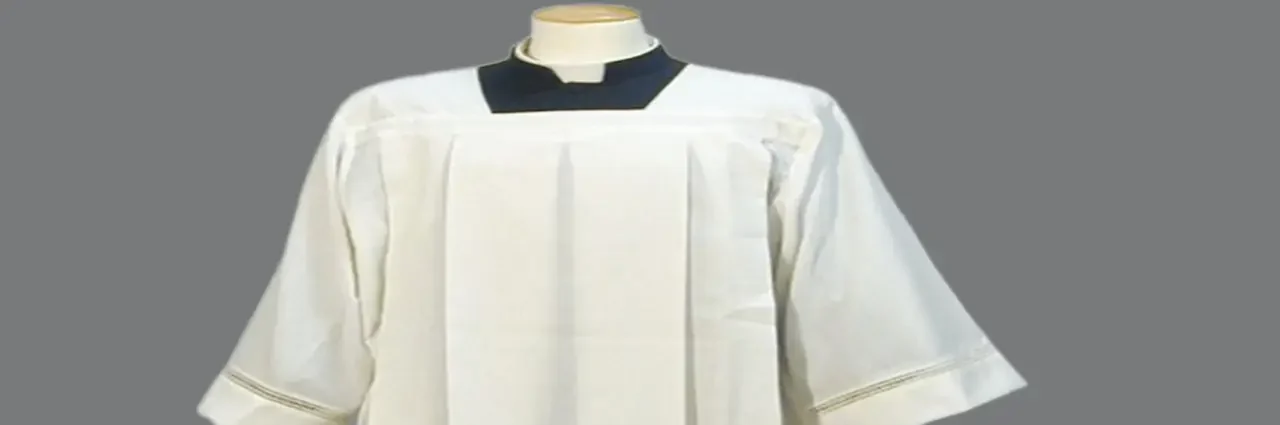
The surplice, symbolizing purity and service, enhances the liturgical atmosphere, reminding clergy and altar servers of their call to holiness and humble service.
The surplice, symbolizing purity and service, enhances the liturgical atmosphere, reminding clergy and ...
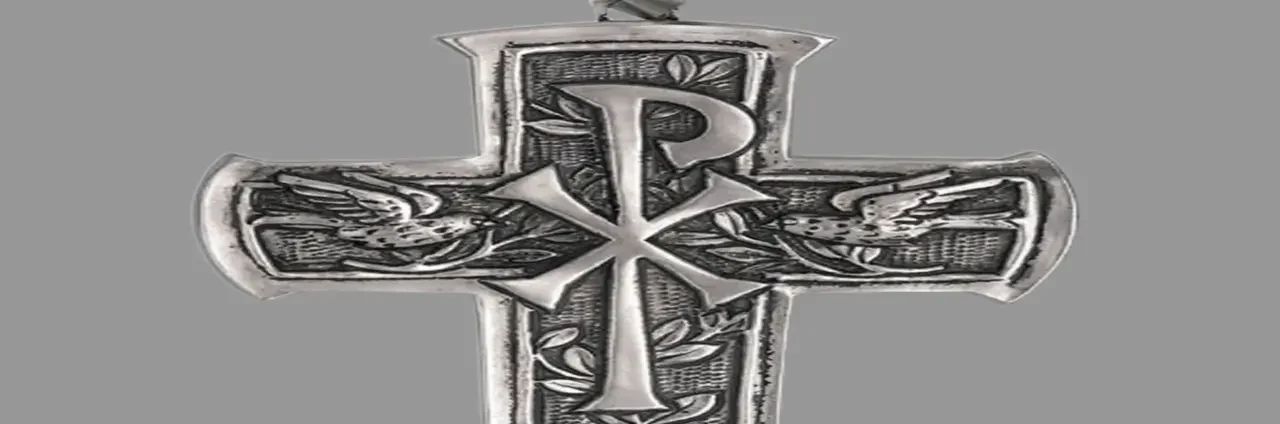
The pectoral cross worn by bishops and abbots symbolizes their authority, dedication, and spiritual commitment within the Catholic Church's leadership.
The pectoral cross worn by bishops and abbots symbolizes their authority, dedication, and ...
The majestic mitre symbolizes episcopal authority and spiritual leadership in the Catholic Church, reflecting tradition, hierarchy, and the bishop's sacred duties.
The majestic mitre symbolizes episcopal authority and spiritual leadership in the Catholic Church, ...
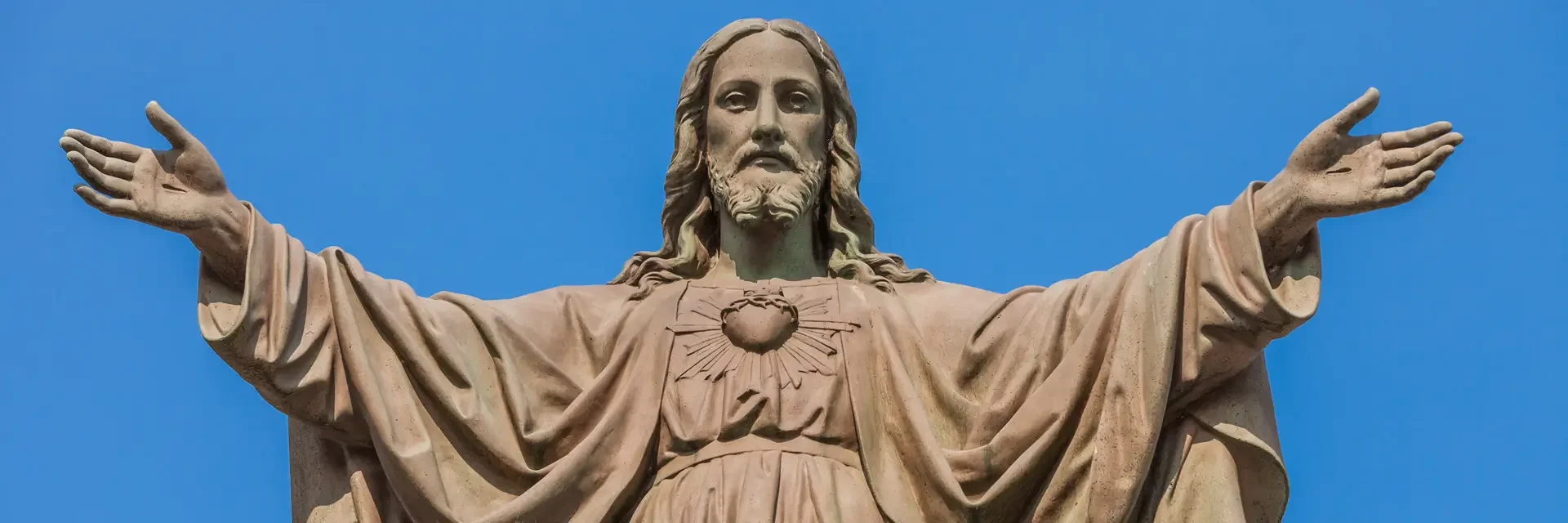
Statues in Catholic worship symbolize faith, aid prayer and meditation, teach about saints, and inspire devotion, fostering a deeper connection with the divine.
Statues in Catholic worship symbolize faith, aid prayer and meditation, teach about saints, ...
The thabor, a symbol of reverence, purification, and divine presence, enhances Catholic liturgy, bridging believers to centuries-old traditions in worship.
The thabor, a symbol of reverence, purification, and divine presence, enhances Catholic liturgy, ...
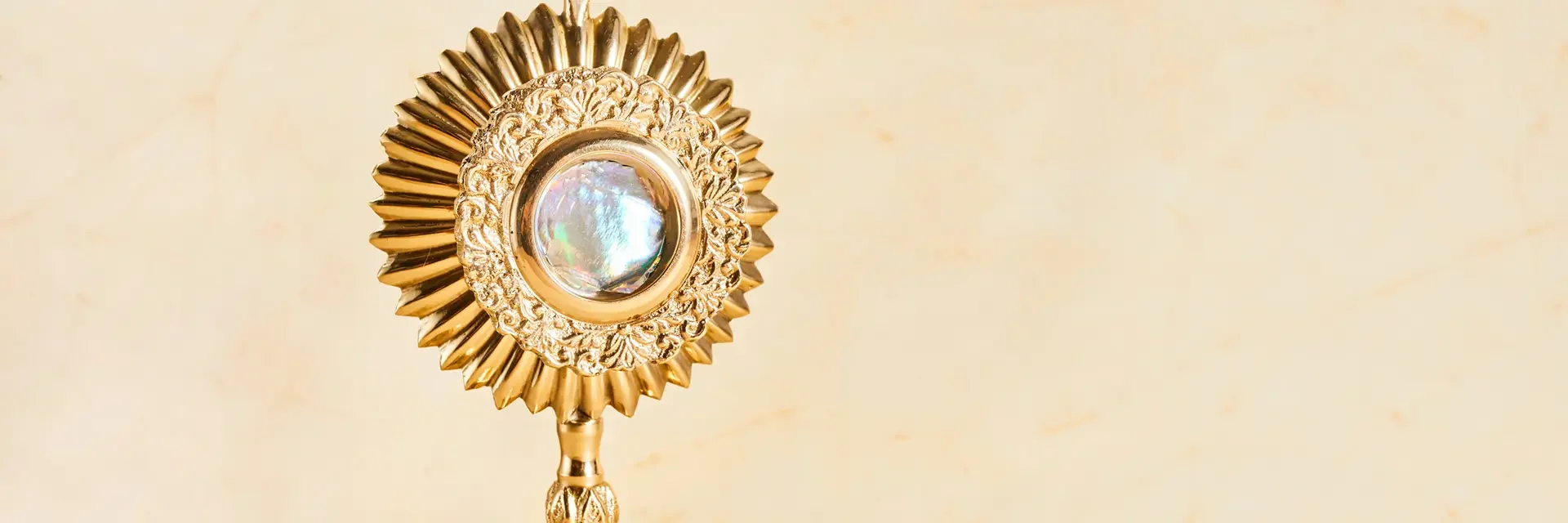
The monstrance, symbolizing Christ's real presence, invites Catholics to profound adoration. Through its design and ritual use, believers encounter divine grace.
The monstrance, symbolizing Christ's real presence, invites Catholics to profound adoration. Through its ...